Picking Gutter Materials in Mascotte: What to Consider Before Installation
Choosing gutters sounds simple right up until you start comparing materials, profiles, sizes, and drainage layouts. Then the questions pile up fast. What holds up best in Florida weather? How large should the system be? Are guards worth it when pine needles are part of daily life? Does the downspout location matter as much as the gutter itself?
In Mascotte, those questions matter because water moves hard and fast for much of the year. Summer rainy seasons can dump a lot of runoff in a short window, and tropical-storm season raises the stakes even more. A gutter system here is not just a trim detail along the roofline. It is part of how the house handles stormwater, how walkways stay safer, and how maintenance stays manageable once the first leaves, needles, and acorns start collecting.
I have found that homeowners often focus on the gutter material first, which makes sense because material affects appearance, cost, and the way people think about durability. But material should never be the only decision. In this part of Florida, the better approach is to think in layers: code compliance, rainfall handling, debris load, fastening, drainage path, and then the finish and profile that suits the home.
Start with Florida conditions, not the brochure
Mascotte sits in the broader Central Florida pattern of heat, humidity, and intense rain. That climate changes what “good enough” looks like. A gutter setup that works in a milder, drier place can struggle when afternoon storms hit repeatedly and organic debris keeps feeding clogs.
Florida guidance on storm preparation and maintenance consistently points back to a simple truth: gutters and storm drains can clog with leaves, pine needles, and other debris, and they should be cleared before bad weather arrives. That is practical advice, not theory. Once debris mats together in a wet gutter, water backs up quickly. You see spillover at the eaves, streaking on fascia, puddling below, and downspouts that look fine from the ground but are packed tight where the elbow turns.
That is one reason gutter material cannot be judged only by its surface appearance. The right choice in Mascotte is the one that fits the rain load, handles debris reasonably well, and can be secured correctly with corrosion-resistant fasteners. Florida building requirements also matter here. Exterior gutters and leaders are expected to be made of metal or approved plastic, sized and discharged in line with the applicable code, and securely fastened.
The phrase storm ready gutters Florida gets used a lot in marketing, but there is a useful idea inside it. A storm-ready system is not necessarily the most expensive one. It is the one designed for real runoff, real maintenance, and real fastening, with downspouts that actually move water away instead of simply relocating the problem.
Material matters, but code and installation matter more
Homeowners shopping for aluminum gutters Central Florida often start there because aluminum is one of the common metal options people ask about. Others compare metal to approved plastic systems because code allows both in the right application. The key point is less about chasing a miracle material and more about making sure the product chosen is appropriate for the house, properly fastened, and matched to the expected water volume.
That may sound less exciting than debating finishes and color samples, but it is where most long-term satisfaction comes from. A well-installed gutter of an approved material will usually outperform a poorly planned gutter made from something that looked impressive in a showroom.
When I talk with homeowners about material, I usually steer the conversation into a few grounded questions:
- Is the material approved for this use and suitable under Florida code requirements?
- Will the system be securely fastened with corrosion-resistant hardware?
- Can the installer size the gutters and downspouts correctly for the roof area and discharge path?
- How much debris does the property collect from pines, oaks, or nearby trees?
- How easy will it be to clean and maintain after the first heavy summer season?
Those five questions do more to narrow the field than any sales pitch does.
The shape and size conversation is just as important
Many people searching gutter sizes for Florida homes are really asking a drainage question, not a measurement question. They want to know whether the system can keep up. That depends on more than one dimension. Roof area, roof geometry, the number of downspouts, and where those downspouts discharge all shape performance.
Florida code language is clear that gutters and downspouts must be sized and discharged appropriately. That means you should not treat sizing as a decorative decision. If you have a long roof section feeding a short run of gutter with limited outlets, it takes less debris to create overflow during a summer downpour. On another house, the same gutter profile may work fine because the run is shorter or the water is split more efficiently.

That is why profile names alone do not tell the whole story. Homeowners often ask about K-style gutters Lady Lake FL because the shape is familiar and widely quoted in estimates. A profile can be perfectly suitable, but the real test is whether the entire system is matched to the home’s runoff pattern and whether the installer has planned downspout locations with care.
Seam style also comes up quickly. Searches for seamless gutters Ocala FL reflect a common preference for a cleaner look and fewer joints along long runs. That can be a sensible consideration. Even so, no seam configuration makes up for undersized drainage or poor discharge planning. If a gutter cannot move water where it needs to go, the seam count is not the first issue you will notice. Overflow is.
Debris load changes the best material choice
Mascotte homes vary a lot. One house may sit with broad exposure and little overhead tree cover. Another may collect pine needles all year, plus a seasonal blast of oak leaves and acorns. In Florida, that difference changes the conversation in a hurry.
UF/IFAS guidance points out that gutters and drains can clog with needles, leaves, and debris, especially ahead of storms. It also notes a bigger picture that often gets overlooked: leaf litter and yard debris washing into stormwater systems can contribute to water quality problems. Live oak leaves and acorns are a known source of stormwater nutrient pollution, and fallen leaves and pine needles are better managed on-site, such as by using them as mulch, rather than letting them wash away.
That means a gutter system in a debris-heavy yard needs to be selected and maintained with cleanup in mind. This is where interest in gutter guards for pine needles Florida usually comes from. Homeowners are tired of cleaning, or they have seen how quickly pine needles can bridge over openings and create a dense mat in the trough.
Guards can be worth discussing, but they should be discussed honestly. They are not a permission slip to ignore the system. In a pine-heavy yard, some guard types may still need periodic attention because debris can accumulate on top or work its way into corners and outlets. The goal is often to reduce the rate of clogging and make maintenance easier, not to eliminate maintenance forever.
That may sound modest, but it is the realistic way to think about it in Florida. If your property is surrounded by https://eavesjournal587.urbanvellum.com/posts/questions-homeowners-in-north-florida-should-ask-before-hiring-a-gutter-contractor pines or oaks, the best gutter decision may be the one that balances debris resistance with reasonable access for cleaning. A system that is impossible to inspect can create just as many headaches as an open system that fills too quickly.
Downspout layout is where many problems begin
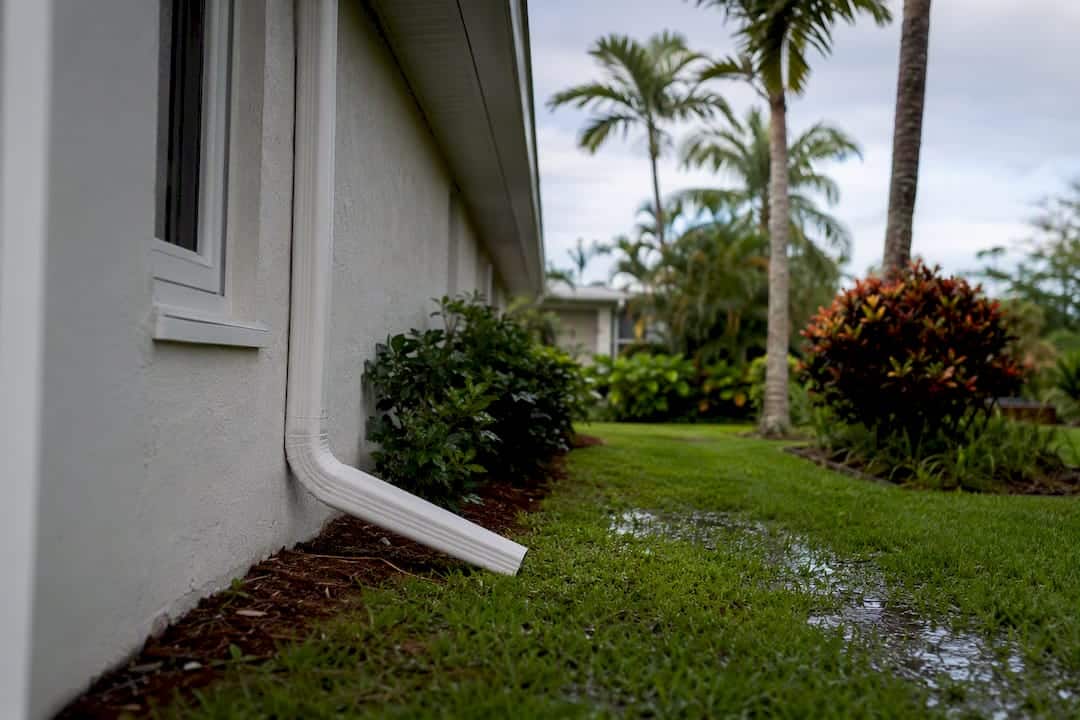
A lot of gutter trouble that gets blamed on the material is actually a downspout issue. Water may be reaching the trough just fine, but it is not leaving the system efficiently or discharging in a useful direction. That is why terms like downspout drainage Newberry FL matter beyond regional search habits. They point to a very real design concern.
Downspouts need to do two jobs. First, they have to accept the volume coming off the gutter during heavy rain. Second, they need to discharge that water where it will not simply collect next to the structure or dump onto a path where it creates a mess or a hazard. Material choice supports that job, but layout drives the result.
A house can have attractive gutters and still perform poorly if too much roof area is feeding too few downspouts, or if those downspouts empty into spots that stay saturated and collect debris. During a heavy Florida storm, even a small obstruction at the outlet can become the choke point that pushes water over the front lip.
I have seen homeowners focus hard on the color and profile of a new system while barely discussing downspout placement. That is backwards. If you want a cleaner installation and fewer service calls later, spend more time on the water path. Ask where each run drains, how that drainage behaves during a severe summer storm, and how easy it will be to keep outlets clear.
Maintenance should influence what you buy
Gutters are not install-and-forget components in this climate. UF/IFAS maintenance guidance for stormwater infrastructure specifically calls for cleaning gutters and downspouts as needed and removing organic buildup, especially in summer. That aligns with what homeowners already experience. Summer growth is fast, storms are frequent, and damp organic matter settles in quickly.
So when comparing materials, be honest about your maintenance habits. If you know you are not going to inspect the system regularly, choose a setup that makes service easier and clogs easier to spot. If the house is under pines and live oaks, plan for cleaning from the start.
Searches like gutter cleaning Fruitland Park FL exist for a reason. In many parts of Central Florida, routine cleaning is part of owning the system, just like servicing irrigation or trimming back overgrowth. That does not mean gutters are a burden. It just means the smartest installation is one that fits the way the property sheds debris.
A practical owner asks, “How will this system look after one storm season?” That question often reveals more than “What is the nicest material on paper?”
Repair versus replacement is not always obvious
Not every material decision happens on a new install. Many people first start comparing options because the current system is failing and they are deciding whether to patch it or start over. Terms such as gutter repair Wildwood FL and gutter replacement Gainesville FL show the two paths homeowners usually weigh.
Repair can make sense when the layout is fundamentally sound and the problem is localized. Replacement becomes more likely when the issues are built into the system itself, such as repeated clogging at bad outlet locations, persistent overflow during ordinary summer rains, or a drainage pattern that never worked especially well in the first place.
Here are a few signs that the conversation should shift from quick repair to a bigger redesign:
- Water repeatedly spills over in the same places during routine storms.
- Downspouts clog often, even after recent cleaning.
- Debris buildup is constant because the system is hard to access or poorly matched to tree cover.
- Fastening or support appears unreliable, especially after stormy periods.
- The discharge path sends runoff where it creates recurring mess or concern.
Those are design clues as much as maintenance clues. If several of them are happening together, the best answer may be a new material and a new layout, not just another patch.
Don’t ignore fasteners and attachment details
This part is easy to skip because it is less visible. Homeowners notice the gutter body first, and maybe the color second. But Florida code expectations around secure fastening and corrosion-resistant fasteners are not small print. They matter.
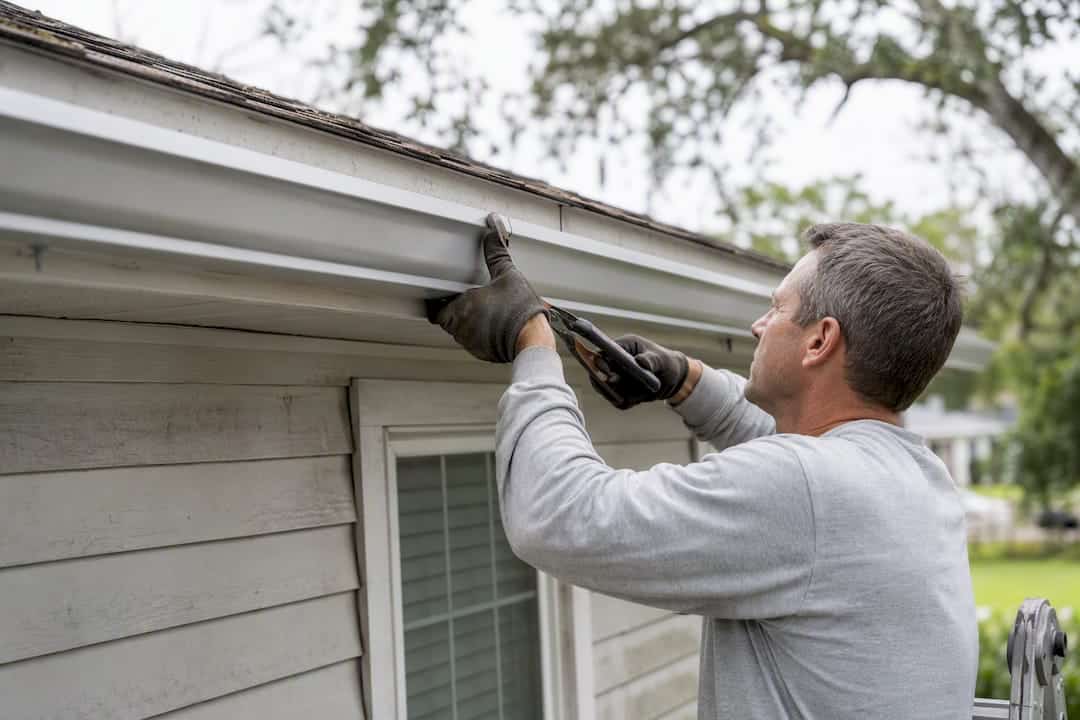
A gutter system deals with repeated wetting, drying, debris weight, and storm stress. Even if the trough material itself is suitable, poor attachment can undermine the entire installation. During estimate conversations, it is worth asking how the system will be secured and whether the hardware used is appropriate for an exterior application in this climate.
You do not need to turn that into a technical interrogation. Just do not let it stay unspoken. Good installers expect the question.
Hiring the right installer is half the decision
A lot of the smartest material choices are wasted by weak installation. That is why hiring a gutter contractor Florida deserves as much attention as material comparison. You are not simply buying a product off a shelf. You are buying judgment about sizing, placement, fastening, discharge, and maintenance access.
A capable contractor should be willing to talk through the roof sections that carry the heaviest runoff, the likely debris load from surrounding trees, and how the downspouts will behave in a hard summer storm. If they jump straight to a one-size-fits-all pitch, that is not a great sign.
Look for someone who treats your property as a drainage system, not just a trim package. In Florida, that mindset matters. A contractor who understands local storm patterns and common clogging issues is more likely to recommend a setup that still performs after the first season of heat, humidity, and debris.
What homeowners in Mascotte should ask before saying yes
By the time you are comparing proposals, the best questions are practical ones. Ask how the system will be sized for the roof sections involved. Ask where each downspout will discharge. Ask how the installer expects the system to handle pine needles, oak leaves, and acorns if those are part of your lot. Ask what sort of ongoing cleaning is realistic.
If you are looking at aluminum gutters Central Florida, K-style gutters Lady Lake FL, or seamless gutters Ocala FL because those are the terms showing up in your search, that is fine. Just remember those labels are starting points. They are not the final answer. The final answer comes from how well the entire assembly fits your house, your trees, your maintenance habits, and Florida’s rain pattern.
A homeowner in a clean, open lot may be happy with one setup. A homeowner under pines may need a different approach, even if both houses are similar in size. That is normal. Good gutter decisions are local and specific.
The smart way to think about material choice
When people ask what gutter material is “best” in Mascotte, I think the better question is what system is best prepared for Florida conditions on this particular house. The answer starts with approved materials, proper sizing, secure fastening, and sensible discharge. After that, it moves into profile preference, seam preference, and whether guards help enough to justify them for your tree cover.
That order matters. It keeps you from overspending on features that do not solve the real problem. It also keeps you from underspending on the parts of the system that truly decide performance.
If the house sees heavy pine needle drop, say so early. If live oak leaves and acorns are a regular part of your cleanup, bring that into the conversation. If the current gutters overflow near entries or hardscape, make the contractor stand there and talk through why. Those details shape the material and design far more than a generic brochure ever will.
Mascotte homeowners do not need magic products. They need gutters that are sized and discharged properly, built from approved materials, fastened the right way, and maintained with Florida debris in mind. Get those fundamentals right, and the final material choice becomes much easier to make.
Corrections
Spot something wrong? Send it to the desk and it gets fixed in the open.